

Inside the analysis
Occupant kinematics & injury metrics
A look at the data-driven output behind a biomechanics assessment — frame-by-frame kinematics, head trajectory, and injury-risk metrics.
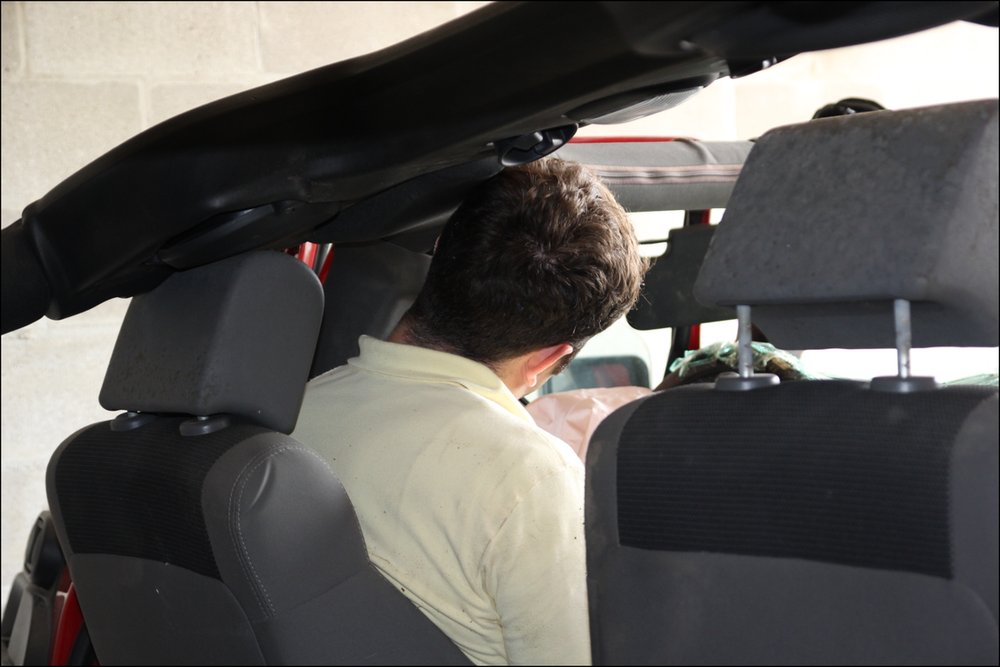
▶ Occupant kinematics analysis · 0:00 / 0:30
Analysis Frame
0.120 s
Velocity
18.7 ft/s
Longitudinal Accel.
−32.1 g
Roll Angle
−2.3°
0.000 s0.050 s0.100 s0.150 s
Head Trajectory · Resultant Velocity 16.2 ft/s
Chest Acceleration
32.1 g
Pelvis Acceleration
25.3 g
Head Resultant Velocity
16.2 ft/s
Femur Load
3.1 kN
Neck Tension (Nij)
0.68
Injury Risk Summary
MODERATE
Scientific Approach
Data-driven analysis using established engineering principles and standards.
Vehicle Interaction
Evaluate how occupants interact with vehicle systems and structures.
Injury Mechanisms
Identify and quantify forces associated with potential injury.
Defensible Results
Clear, objective findings that stand up to the toughest scrutiny.
Expert Testimony
Seasoned experts with extensive courtroom experience.